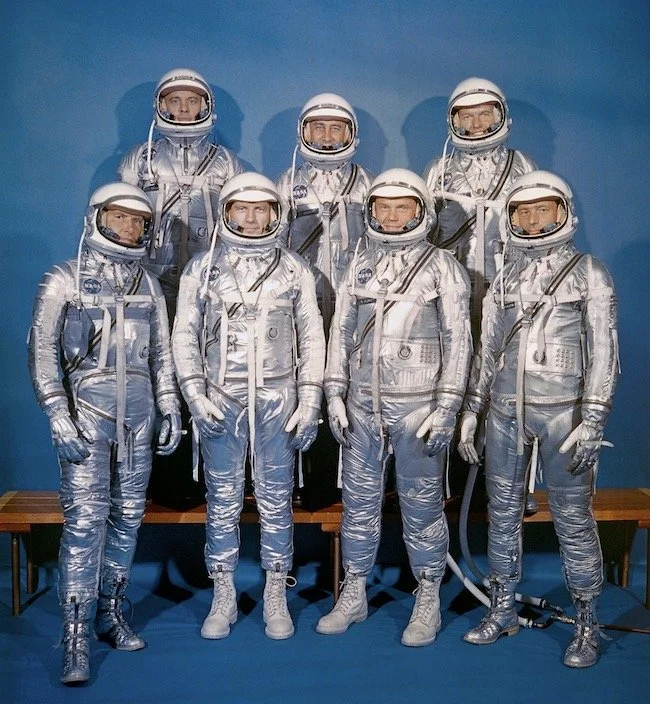
In the late 1950s, the newly formed NASA (National Aeronautics and Space Administration) initiated Project Mercury. Its goal: to send humans into space. Seven astronauts were selected to assist the USA in its race against the USSR to put a man on the moon. Each country was looking for an advantage during the Cold War and outer space provided new, unclaimed territory. In July, 1960 the Mercury Seven astronauts were introduced to the American public wearing their cutting-edge, silver-coloured spacesuits.
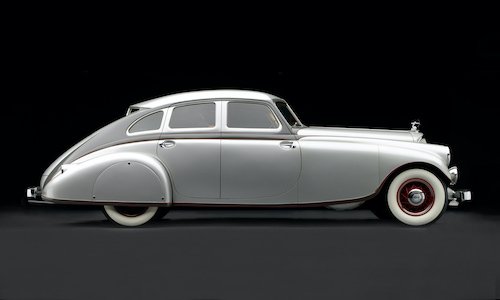
The silver exterior of their garments were manufactured from nylon with a highly-reflective, aluminized thermal coating. Although the outfits were really just modified versions of the U.S. Navy’s test pilot pressure suits, they symbolized the advent of the “Space Age.” Silver was synonymous with the technological advancements that grew out of the Streamlined Moderne era of the 1930s, a period that introduced sleek aerodynamic designs, clean flowing lines and polished metallic finishes. NASA’s Project Mercury was launching America headlong into the future, championed by the colour silver’s association with precision and speed.
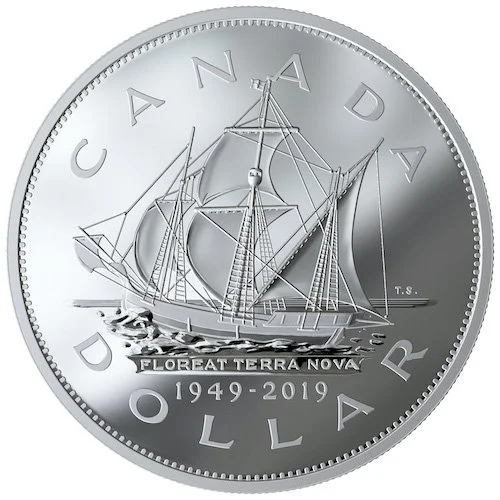
Silver, the precious metal, has captivated mankind since the 4th millennium BCE. Civilizations such as the Egyptians, Romans, Greeks and Persians mined and refined the ore, using it to create, among other things, coins and bars for their monetary systems. Silver is extremely malleable, making it easy to melt, manipulate and cast; yet once formed, it becomes very strong. It also has the added benefits of resisting corrosion and oxidation.
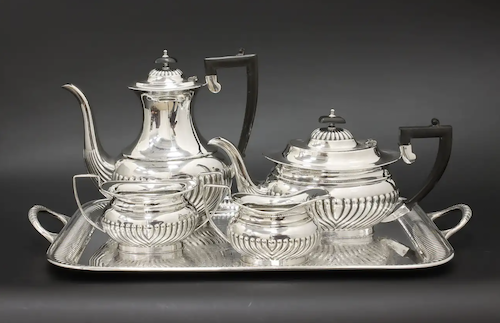
Silver quickly became a popular means to display one’s wealth and status. Royalty, the Church and affluent families used it to adorn their interiors and themselves. The captivating radiance of objects such as silverware place settings and jewellery became associated with prosperity and prestige, giving rise to phrases like: “drink from a silver chalice,” “born with a silver spoon” and “served on a silver platter.” The world’s oldest sporting trophy, the America’s Cup (yachting), is made of silver, as is hockey’s venerable Stanley Cup. For centuries, silver has signified excellence.
Unlike gold, silver has always been less showy, more understated. It’s not as rare as gold, nor as valuable, that’s one reason why it has come to represent second place. It also connotes honesty and integrity. To have a silver tongue means one is eloquent. Silver hair is a sign of experience and wisdom. And let’s not forget the old adage, “Every cloud has a silver lining.” Its flawless surfaces enhance the quality and precision of items like medical devices, surgical equipment, circuit boards and other high tech components. This brings us back to the Mercury Seven – bedecked in state-of-the-art flight suits, riding in a finely engineered space capsule, the astronauts ventured into space, searching for new possibilities. All the while, silver was championing the mission’s excellence, durability and speed.